The challenge
The government set out to recruit an ambitious 20,000 additional police officers by March 2023, with a focus on attracting people from communities that are underrepresented in policing. However, research showed that some marginalised groups were less likely to consider a policing career due to concerns about whether policing could accommodate their faith, or whether institutional race and gender discrimination would be an issue.
If police forces are to reflect the communities they serve, recruitment had to address these concerns honestly. We couldn’t rely on generic messages about diversity or simply tell people that policing was for them. We needed to show them the reality.
Our solution
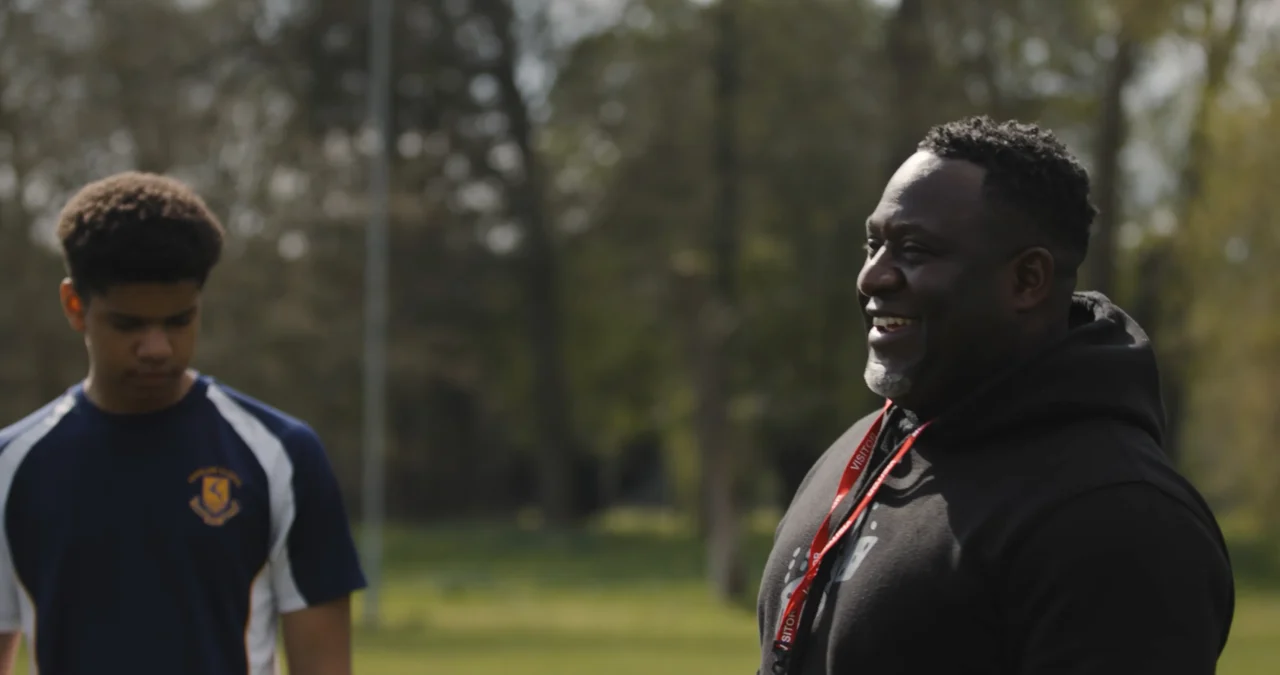
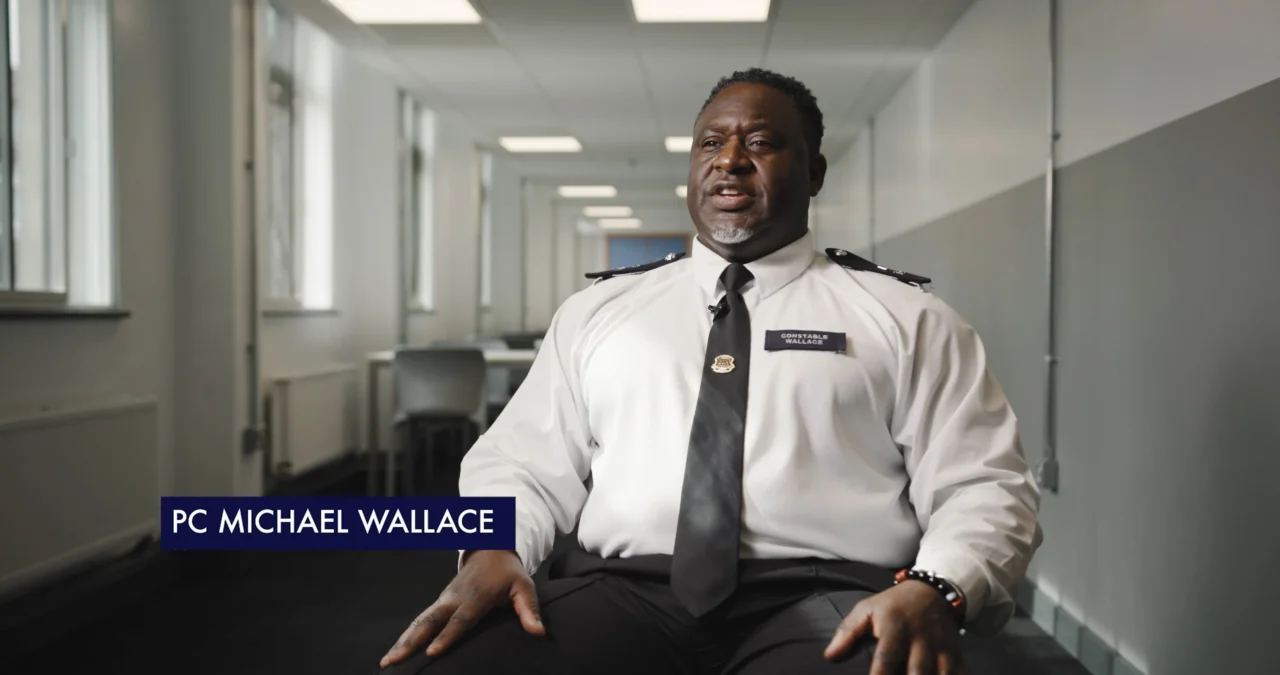
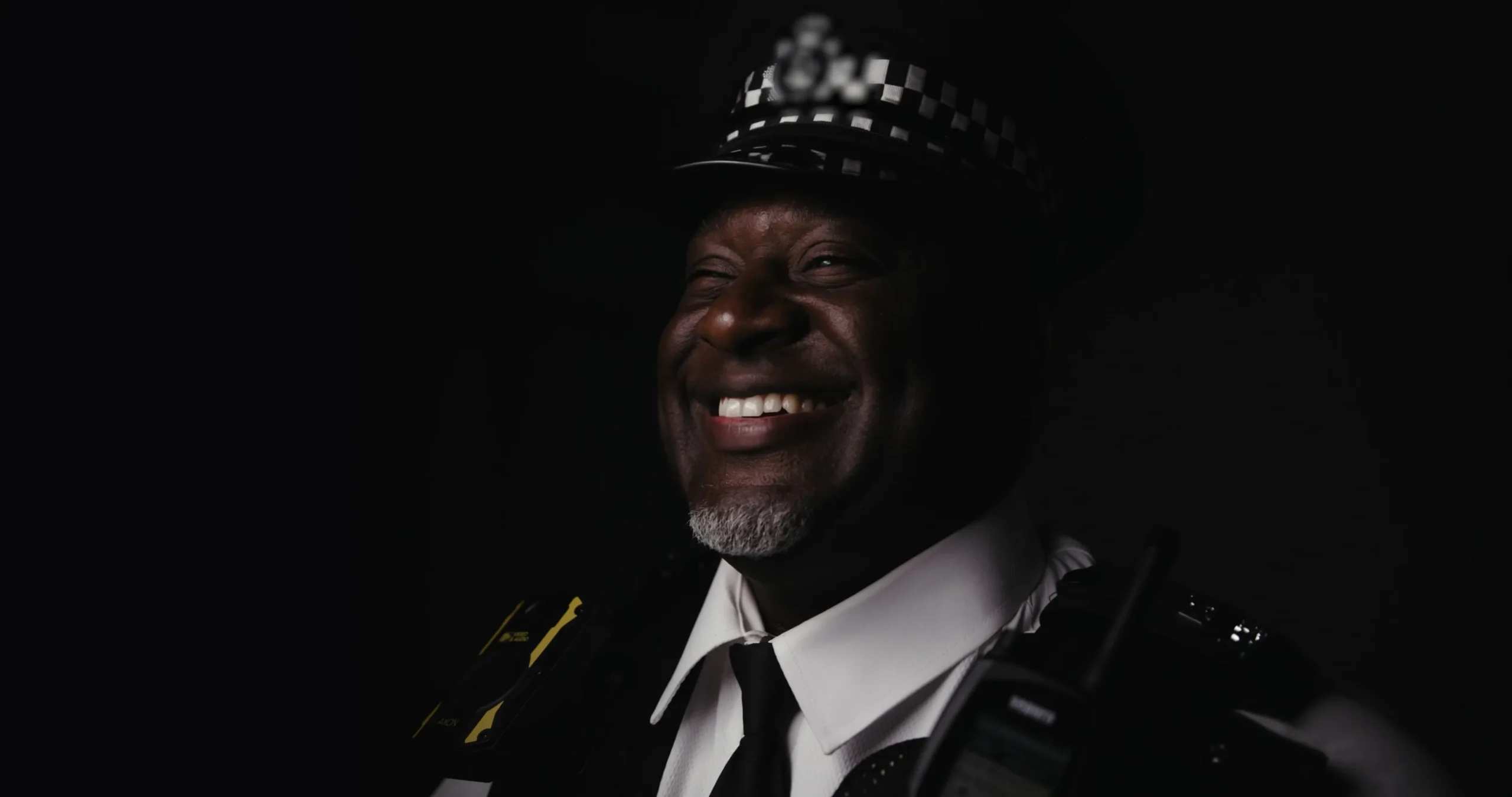
We created a series of films featuring real police officers from a wide range of backgrounds, giving audiences the chance to hear directly from people whose experiences challenged common perceptions of a career in policing.
We worked with eight police associations to find officers from Sikh, Jewish and Christian backgrounds, as well as female, Black, disabled, autistic and LGBT+ officers. We held discovery calls with each contributor, taking the time to understand their experiences and what mattered to them before shaping each film around their individual story. We knew the films needed to feel honest, not polished. That meant acknowledging the challenges officers face alongside the reasons they chose to join.
Our campaign was a huge success. It helped the government reach its target of recruiting 20,000 additional police officers by March 2023, exceeding the previous recruitment peak set in 2010. Most significantly, it contributed to a more representative police workforce, with record numbers of female officers and officers from ethnic minority backgrounds applying.